Solar
panels
Solar panel inspection with drone and thermography in Catalonia. We detect faulty cells, hot spots and performance losses in your photovoltaic plant without stopping production, with a panel-by-panel report. AESA-authorised operator.
Where we inspect
photovoltaics
From a self-consumption setup to a multi-megawatt plant, drone thermography multiplies the speed of maintenance.
Photovoltaic plants
Thermographic inspection of entire solar plants in a single day of flying, without walking the strings on foot.
Industrial self-consumption
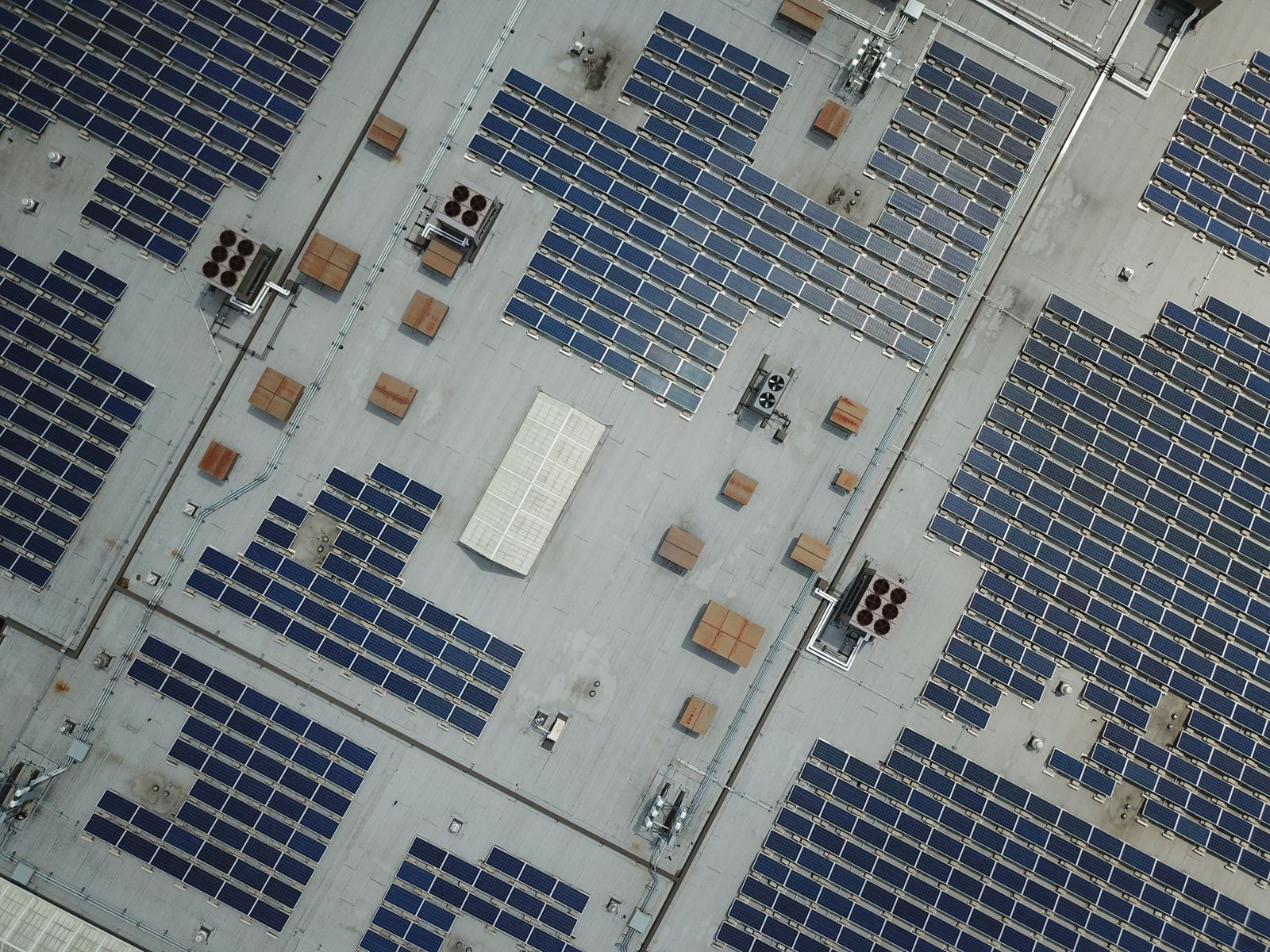
Warehouse and industrial-estate rooftops with self-consumption, where every faulty panel is energy you stop producing.
Solar rooftops
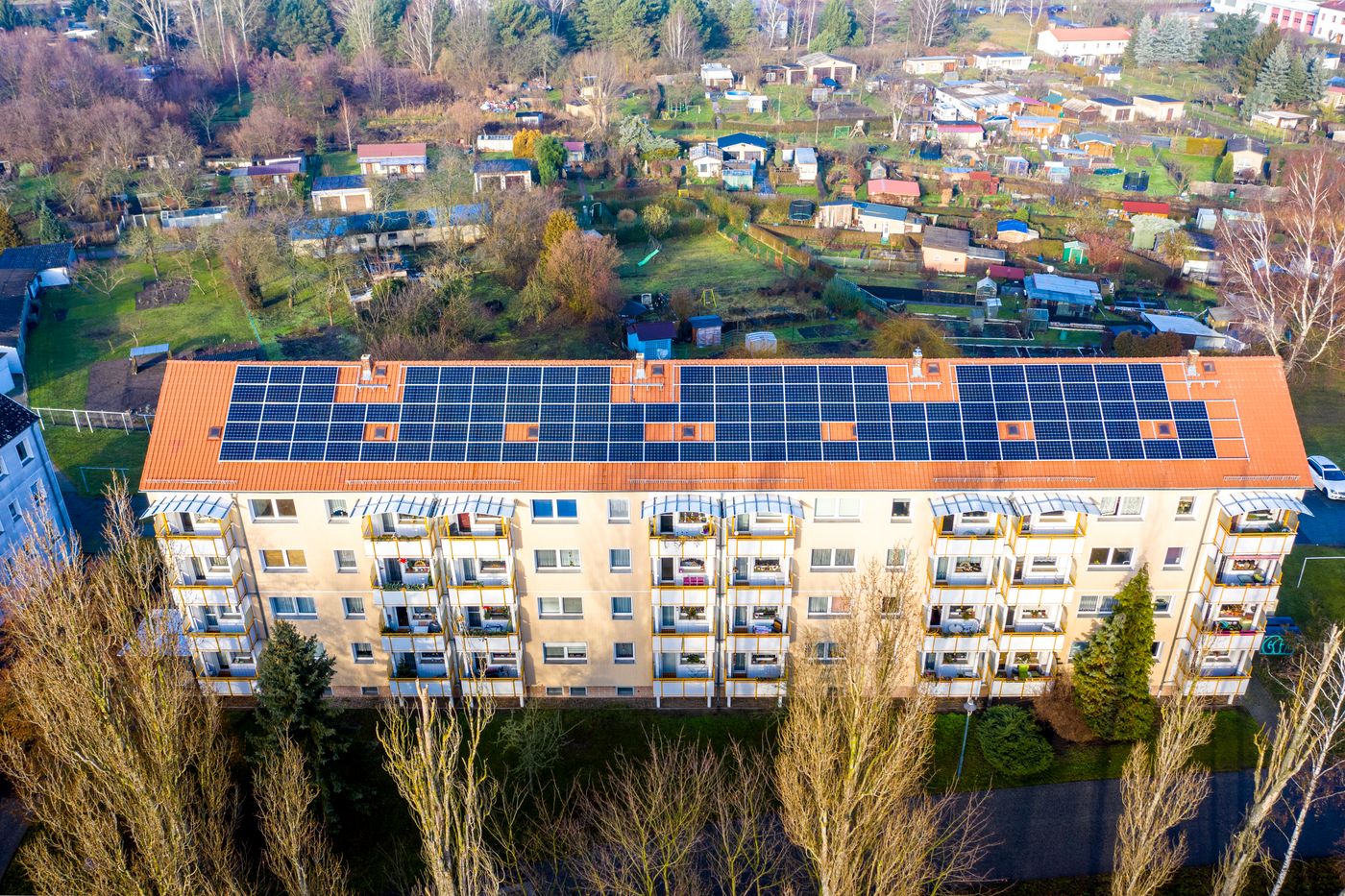
Installations on the roofs of buildings and facilities, inspected without climbing up to the rooftop.
Solar parks
Large solar parks with thousands of georeferenced modules to locate the exact anomaly.
Energy communities
Shared installations where you need to demonstrate performance and justify maintenance to the members.
O&M and maintenance
Operators and maintenance companies that want a fast, objective diagnosis of every solar asset.
Thermography
per panel
Recent solar
inspections
Sample material. Your photovoltaic plant, here soon.
The solar panel inspection with drone flies over the entire installation with a radiometric thermography camera that captures the real temperature of each module. Faulty cells, hot spots, broken bypass diodes and disconnected strings show up as hot points that maintenance can't spot with the naked eye, until performance has already dropped.
This gives you an objective diagnosis of the whole photovoltaic plant in hours instead of days, without stopping production or taking on the risk of walking between modules. It's the basis of preventive solar maintenance that recovers kWh and extends the life of the installation. It's part of our technical drone inspections.


Solar
questions
Does the solar plant have to be shut down for the inspection?
No. The thermographic inspection is done with the plant in production, because the drone works from the air and thermography needs the panels to be generating in order to detect temperature differences. There is no need to stop production or disconnect anything.
What does thermography detect in a photovoltaic installation?
Radiometric thermography detects faulty cells and panels, hot spots, broken bypass diodes, disconnected strings, dirt and shadows that cause performance losses, and overheating that can lead to faults and fire risk.
What format does the inspection report come in?
We deliver a technical report locating each anomaly panel by panel, with visual and thermal imagery, severity classification and maintenance recommendations, in PDF and with georeferenced data for your O&M team. Ask us for an example.
How often should the plant be inspected?
For a plant in operation we recommend a thermographic inspection at least once a year, ideally within the O&M warranty, and always after hailstorms, severe weather or major maintenance work. Periodic inspections let you catch degradation before it affects production.
What licences and permits do you hold to operate the drone?
We are a drone operator authorised by AESA and hold the corresponding operator licences and a civil liability insurance of 1,500,000 €. When the plant is in restricted areas, we handle the necessary flight permits ourselves so you don't have to worry about anything.
How long does it take to deliver the results?
The flight over a plant is normally completed in a single day, and the report is delivered promptly once the thermal images have been processed. If you have an urgent need or a deadline, just tell us and we'll coordinate around it. Tell us about your case.