Technical
inspections
Safe inspection of roofs, façades, solar panels and infrastructure with high-resolution imaging and thermography. No scaffolding, no risk, and a detailed technical report.
What we
inspect
We reach where the human eye can't, with nothing to set up.
Roofs & rooftops
Spot cracks, damp and broken tiles without ever climbing onto the roof.
Façades
Check cracks, falling material and the condition of cladding at height.
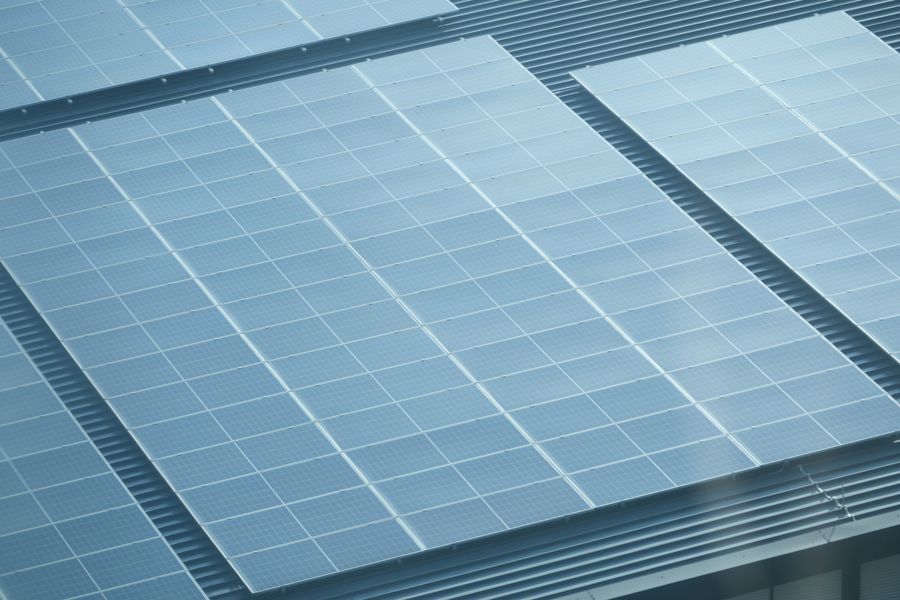
Solar panels
Photovoltaic inspection and detection of faulty cells with thermography.
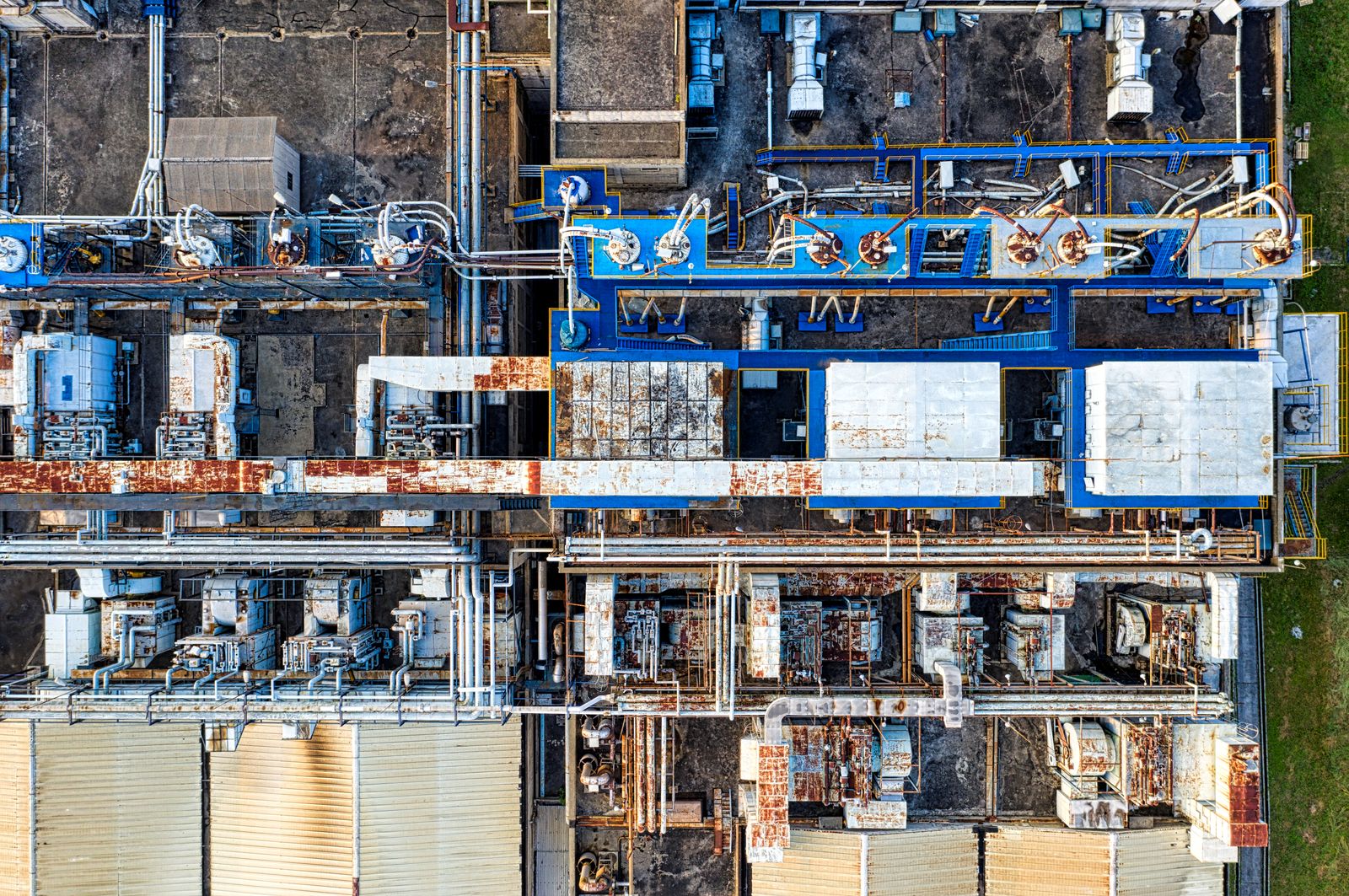
Industry & warehouses
Industrial roofs, tanks and hard-to-reach structures.
Infrastructure
Bridges, towers, power lines and other critical assets with no downtime.
Construction monitoring
Regular progress and quality checks of your site from the air.
Data to
act on
Seeing what
can't be seen
Drone thermographic inspection captures the infrared radiation given off by surfaces and structures to reveal problems invisible to the naked eye. That's how we detect hidden damp in roofs and façades, thermal bridges that cause insulation losses, faulty solar cells that drag down a photovoltaic plant's output, and energy losses in facilities and buildings.
The result is a precise, non-invasive diagnosis: we pinpoint the exact location of every anomaly before it turns into a costly breakdown, with no scaffolding and without ever touching the structure.
Recent
inspections
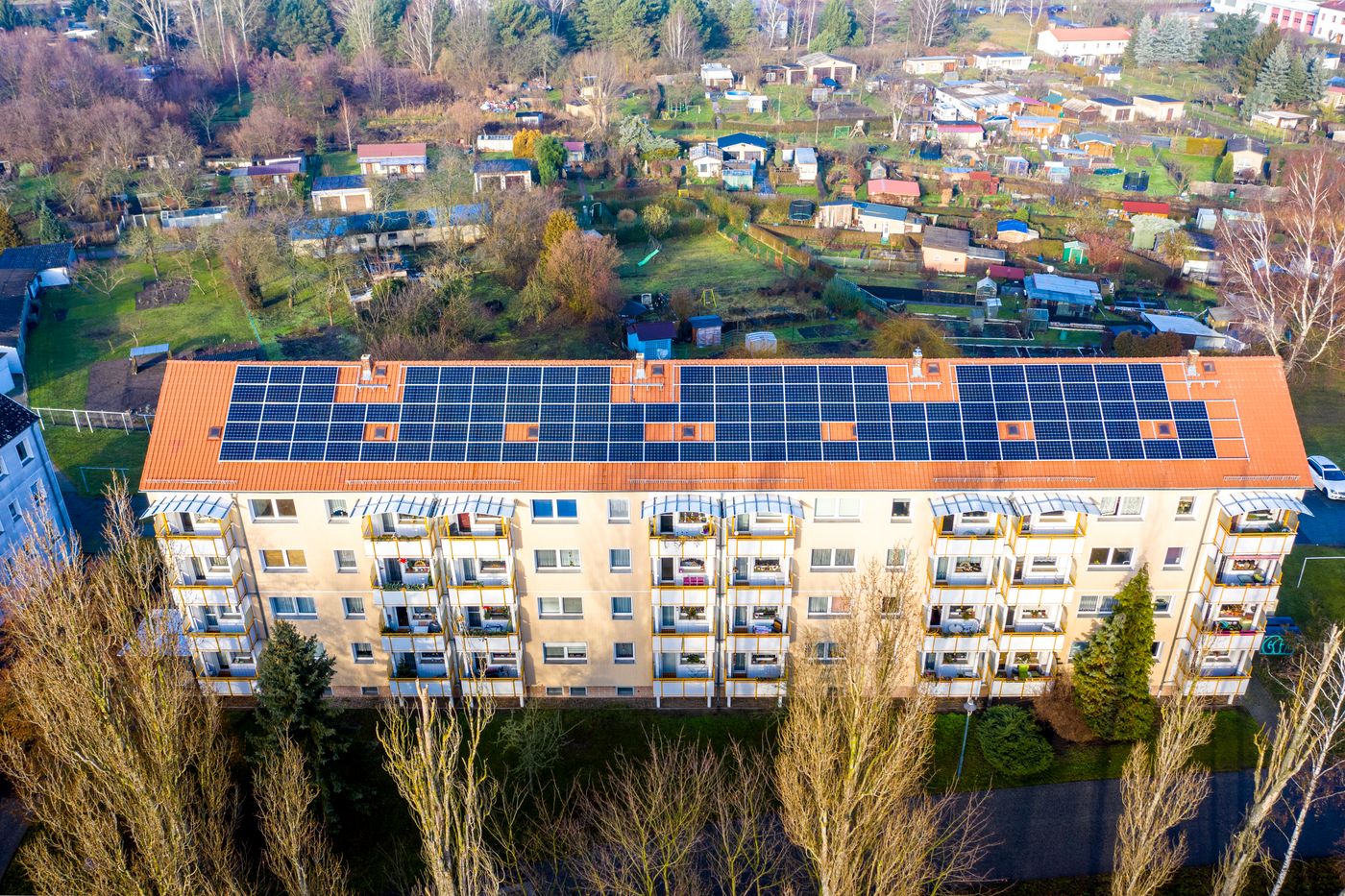
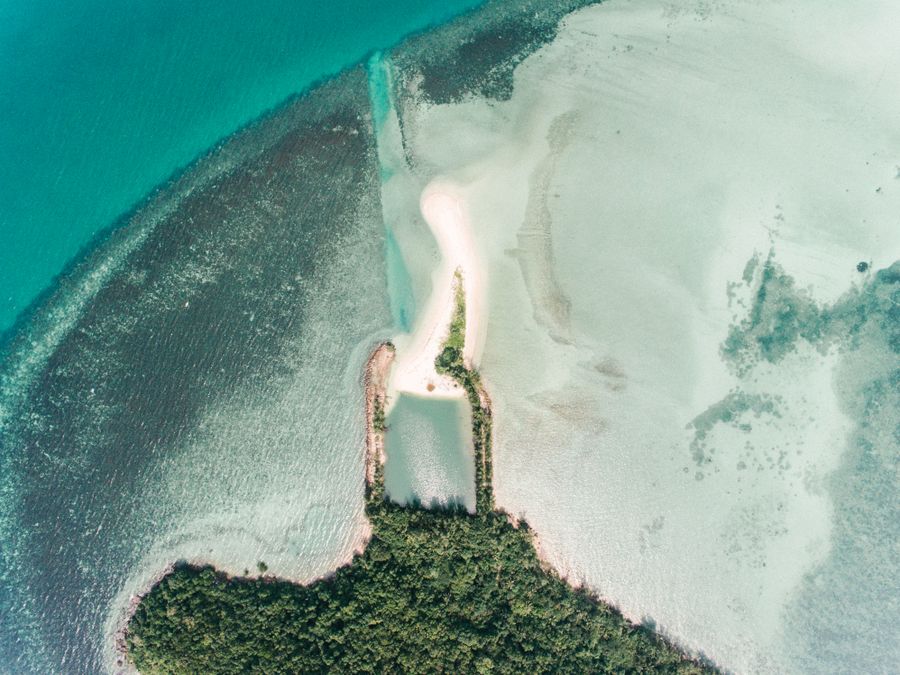
Sample material. Your asset, here soon.

Technical
questions
Do we have to stop operations?
No. We inspect without interrupting the running of the plant, building or infrastructure. The drone works from the air, so there's no need to evacuate or pause any processes.
What is thermography?
It's a technique that captures infrared radiation to reveal temperature differences. It lets us detect damp, thermal bridges, faulty solar cells and energy losses that aren't visible to the naked eye.
Do you work in CTR zones and in the city?
Yes. As an AESA-authorised operator, we handle coordination with ENAIRE and the permits required to fly in controlled airspace (CTR) and within the city. Here's how it works.
What does the technical report include?
A report with high-resolution imaging and, where needed, thermography, pinpointing every anomaly we detect (damp, cracks, faulty solar cells, thermal bridges) with its exact location and an assessment of its condition. You receive it promptly once the flight is done.
How often should you inspect?
It depends on the asset and how it's used. On roofs and façades, a regular check helps you anticipate problems; on photovoltaic plants, regular thermographic inspection keeps output up. After the flight we advise on the frequency that suits your case.
Do you need access to the roof?
No. The drone works from the air, so we inspect roofs, façades and structures without climbing up or setting up scaffolding. We only need a safe take-off point nearby and, where applicable, the permits, which we handle ourselves as an AESA-authorised and insured operator.