Selling a flat or a development does not depend on price alone: it depends on how it is shown. Most buyers decide whether or not to visit a property in the first few seconds of looking at a listing, often on their phone and among dozens of options. In this context, an aerial drone image makes the difference between going unnoticed and generating a call. For a real estate agency, it is not a visual whim: it is a commercial tool that speeds up the sale.
In this guide we explain how the drone helps you sell properties faster: why it improves the first impression, how it provides context and surroundings that interior photos cannot give, why it is almost essential for new builds and how to adapt the material to portals such as Idealista or Fotocasa. The goal is simple: to make every listing work in your favour.
The first impression is everything
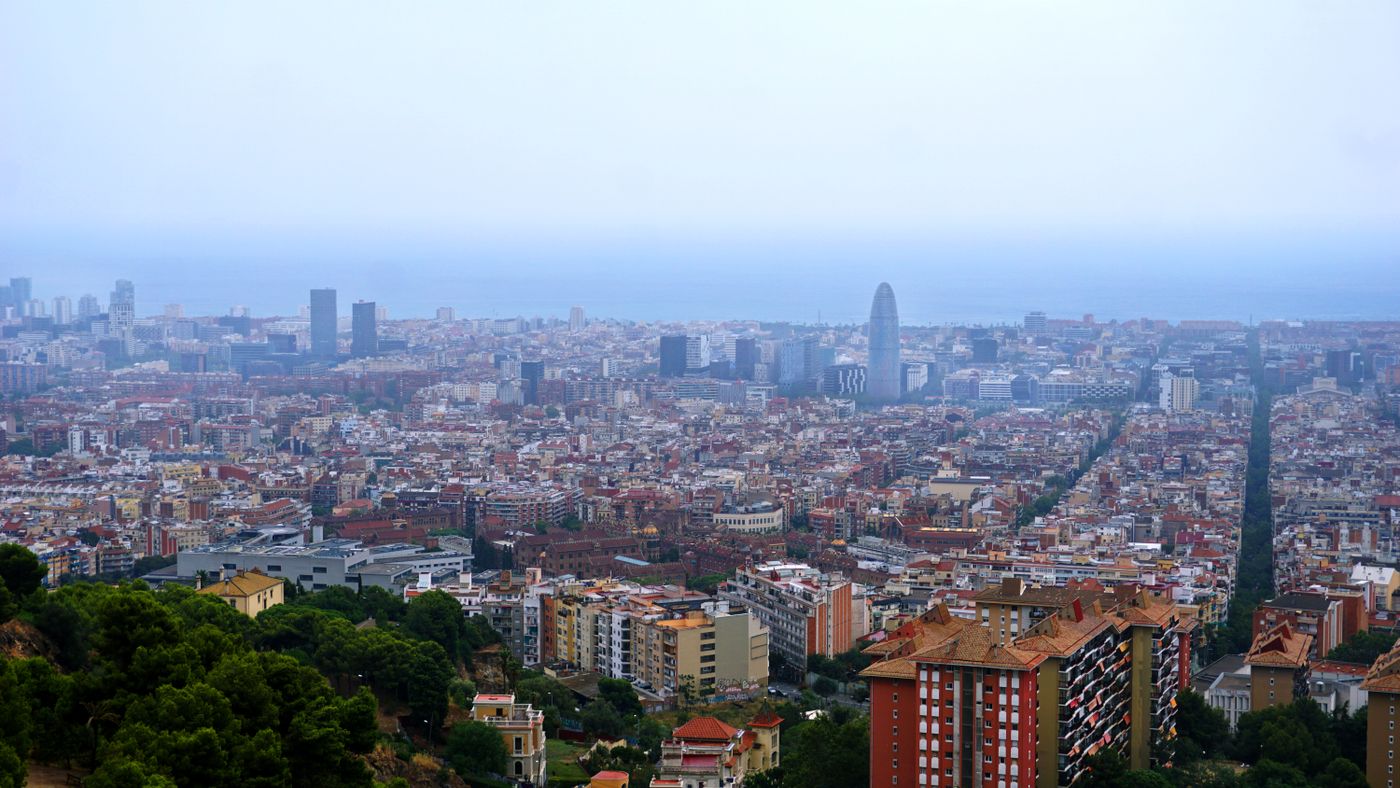
On property portals, the cover photo is what decides whether someone clicks or keeps scrolling. A facade shot taken from street level, with cars in front and no perspective, competes at a disadvantage. A clean aerial view of the building or the house, with the sky in the background and a careful composition, immediately conveys quality and makes the listing look more serious and more expensive.
The drone captures angles that are impossible for a person: the property seen from above, its relationship with the garden or the pool, the roof, its position relative to the street. This powerful first image is what makes a potential buyer stop and decide to keep looking.
- More clicks. A listing with an aerial cover stands out in the results grid and attracts more visits.
- Perception of value. A professional image raises the perceived price and justifies the asking figure.
- Differentiation. While the competition shows phone photos, you show a polished production.
Context and surroundings: what interior photos don't tell
Interior photographs show the rooms, but they don't answer the question that worries many buyers most: where exactly is it and what is around it? The drone solves this in a single image. It shows how close the sea, the park, the town centre or the transport links are; it shows whether the property has open views or is wedged between buildings.
Selling the surroundings, not just the property
Often what is being sold is not just the flat, but the lifestyle that surrounds it. A house on the Costa Brava with the sea right there, a penthouse with city views, a farmhouse in the middle of the countryside: the drone captures that emotional context that makes a place desirable. Real estate aerial photography is, in this sense, a narrative tool as powerful as interior photos.
Always combine an aerial location shot with the interior photos. The aerial shot answers "where is it and what are its surroundings like", and the interior ones answer "what is it like inside". Together, they give the buyer all the information they need to decide to visit, and they filter out unserious viewings before they happen.
New builds and developments: selling what can't be seen yet
For new builds, the drone goes from being useful to being almost essential. When a development is still under construction, the buyer cannot set foot in their future flat. Aerial video makes it possible to show the plot, the location, the progress of the works and, with the right edit, to project what the final result and its views will look like.
- Construction tracking. Periodic images that show the development's progress and build trust with buyers who have reserved off-plan.
- Future views. Flying at the height of each floor to show what views each flat will really have before it exists.
- Marketing material. A real estate drone video for the development's website, social media and investor presentations.
For a developer, this aerial material is an investment that supports the entire marketing campaign, from the first day of construction to the handover of the keys.
Format for the portals: Idealista, Fotocasa and social media
There is no point in having spectacular material if it isn't adapted to where it will be published. Each channel has its own requirements, and good aerial material is delivered with all of them in mind:
- Horizontal cover photo in high resolution for Idealista and Fotocasa, with the best aerial view as the first image of the listing.
- Gallery of aerial images that complement the interior photos and place the property in its surroundings.
- Horizontal 16:9 video for portals that allow playback and for the agency's website.
- Vertical 9:16 version for Instagram, Reels and TikTok, where more and more agencies are reaching buyers.
A single flight can generate several deliverables: the perfect cover for the portal, an image gallery, a video for the website and a vertical version for social media. Making the most of it all multiplies the return on every shooting day.
Why work with a licensed operator
To fly a drone over properties in Barcelona and Catalonia, it must be done legally: as an AESA-authorised operator, with certified pilots, civil liability insurance and the management of the permits required for each area. A serious operator takes care of all of that side so that you, as a real estate agency, only have to worry about selling. What's more, working with professionals guarantees consistent image quality across all your listings, which is part of the agency's brand image.
If you want to know the rates and how a recurring service fits your property portfolio, take a look at our drone prices in Barcelona.
Want to sell faster? Let's talk → See the real estate service